
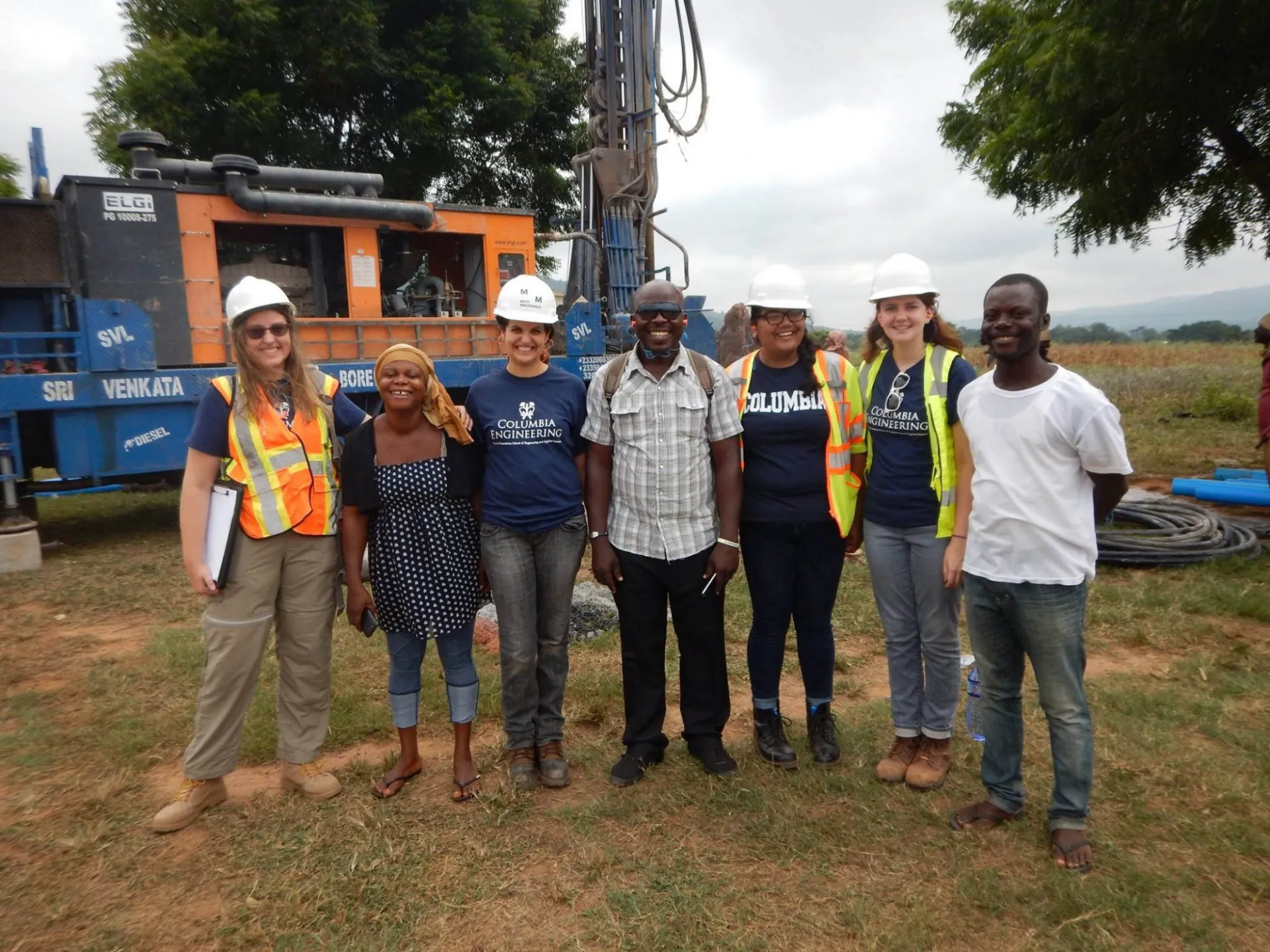
The Ghana program of Columbia’s EWB-USA chapter began working in Obodan in 2004, making it the oldest EWB program in the university. Since then, many Columbia students have worked closely with the community and its leaders on various infrastructure projects. After repairing biogas latrines and building a rainwater harvesting system in a nearby village for a few years, the program returned to Obodan. Upon our return in 2009, water distribution and sanitation were two major problems facing the community. The need for public latrines was deemed of utmost importance. In 2010, we constructed a pilot source-separated latrine system which paved the way for construction of future latrines. After mapping out construction sites and conducting field tests to determine feasibility of liquid and solid waste as fertilizer (through pH, CO2, and E. Coli testing), we constructed six KVIP latrines in summer 2011. In 2015, we constructed six more KVIPs in Kwasi Doi, a satellite community of Obodan. Today, members of the community still use some of these latrines in their daily lives!
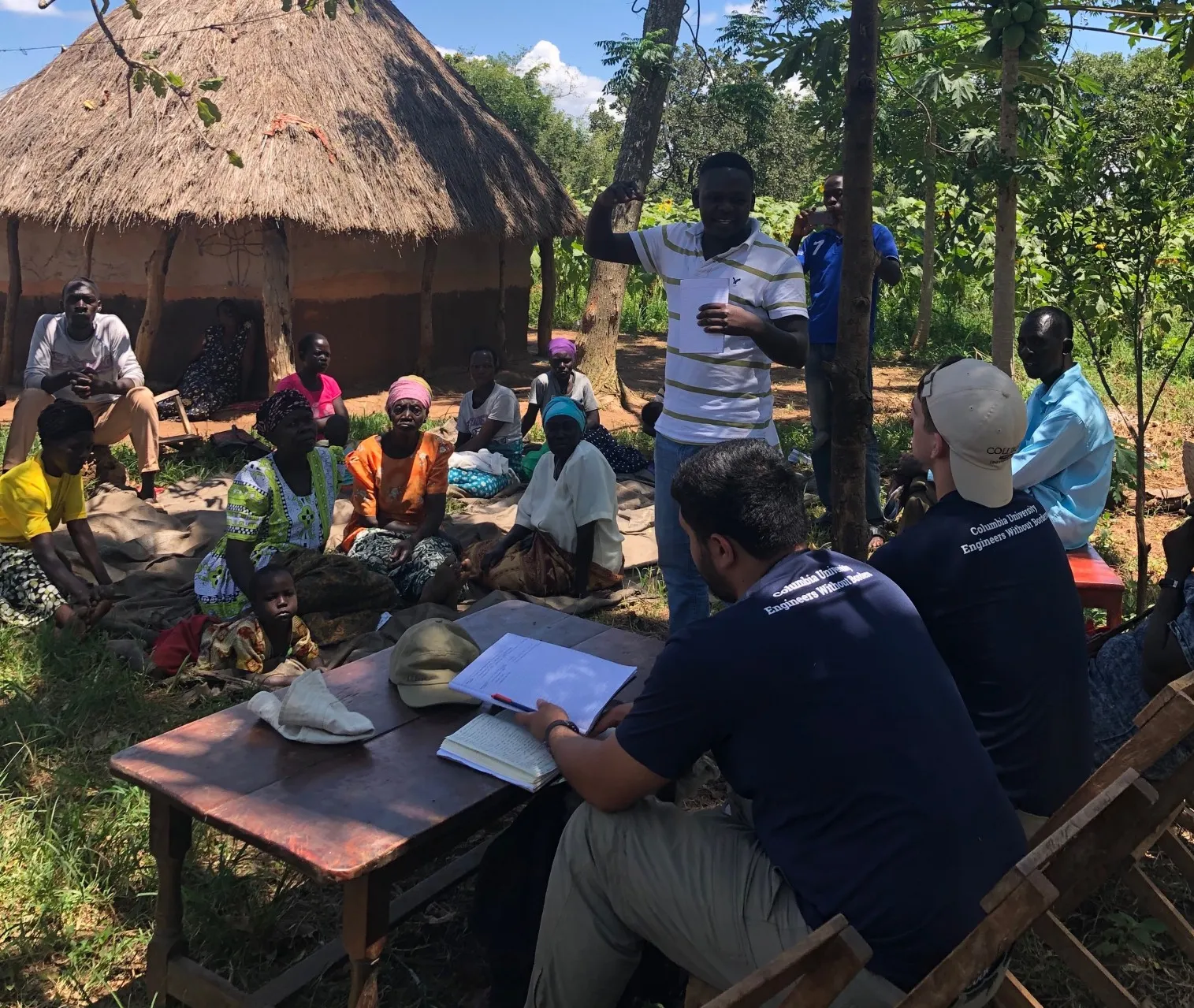
The Uganda program of CU-EWB has been working in the Soroti District in the eastern region of Uganda for over 10 years. In 2008, the Uganda program was established to install a rainwater harvesting system at a secondary school established by Pilgrim Africa. CU-EWB Uganda later installed multifunction platform engines for eight communities in the Soroti region. Each project draws from the skills of its student members, project mentors, and community partners to provide technical solutions to worldwide problems.
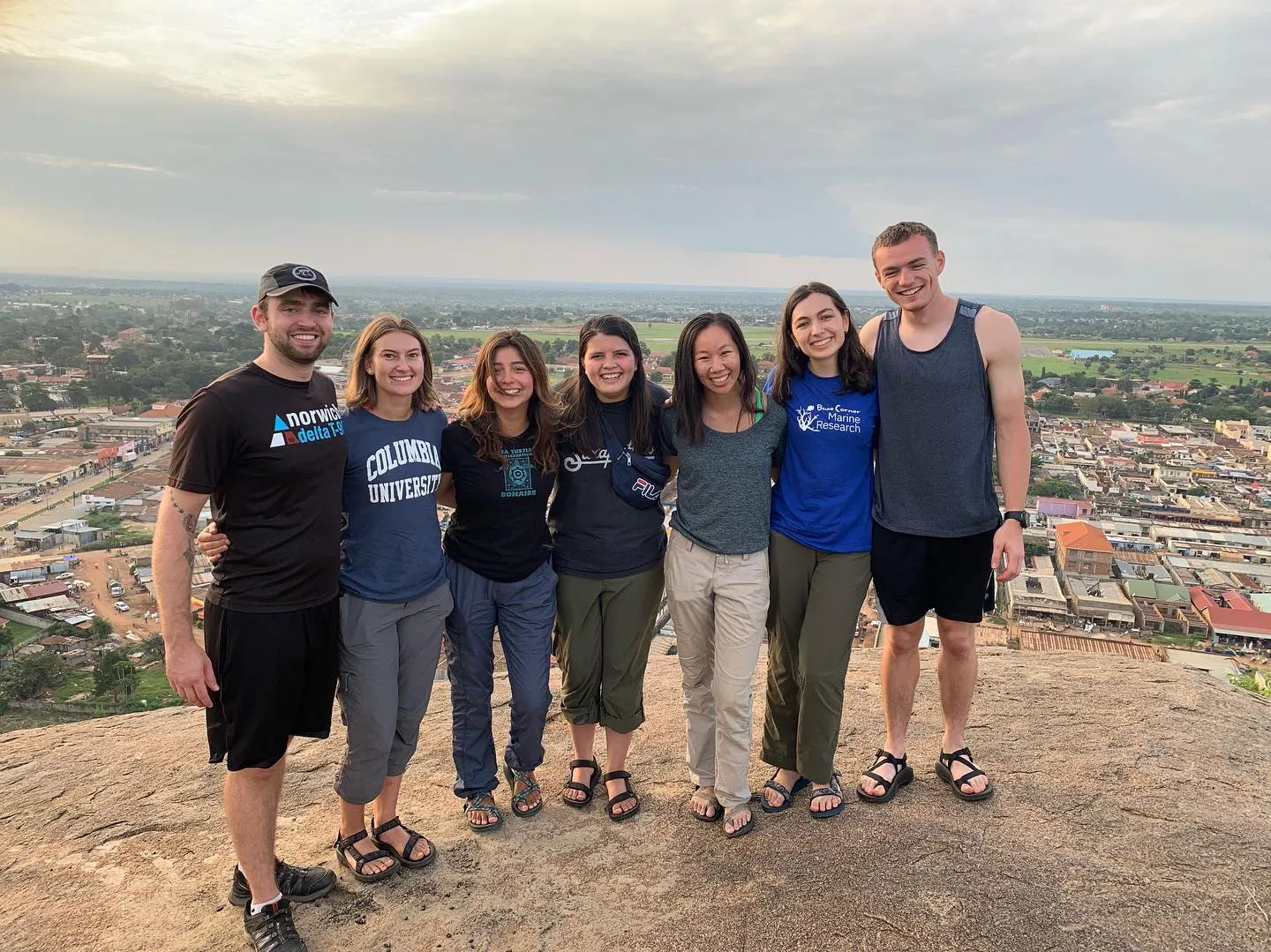
The Rural Electrification Project focused on implementing a renewable energy microgrid in the rural community of Otubet, Uganda, which had no previous access to electricity. The project began after a meeting with Professor Vijay Modi of Columbia’s Quadracci Sustainable Engineering Lab. In his research on sustainable energy, Professor Modi developed a software and hardware solution for delivering affordable, usage-based electricity to agricultural communities. This model offers a more economic option than flat monthly payments that don’t reflect actual energy use.
When CU-EWB began work in 2017, Otubet had no electrical grid in public or private spaces. The goal was to support services like healthcare and education at lower costs through reliable solar energy. In August 2018, CU-EWB Uganda traveled to Otubet to install small solar microgrids at two primary schools and one medical center. A second trip in 2019 expanded the system to power local businesses. After a two-year COVID-19 pause, remote monitoring resumed in 2022 with support from the EWB-Uganda field office. In May 2023, CU-EWB returned for a major monitoring and repair trip and began conversations about system handoff and closeout. The solar system now provides lighting and a computer at both Odelel and Otubet Primary Schools, powers lights and outlets at the medical center which serves over 2,000 people, and supplies lighting for 29 local businesses. The systems allow for night classes, expanded healthcare, and extended business hours. During travel, CU-EWB members have stayed in the community and built strong relationships with local residents.
As of May 2023, following the maintenance trip, all four systems are operating significantly better. Before this visit, only the medical center system was fully functional. One school had an outlet working with inconsistent lights, the other had major missing components. Many businesses had become disconnected, and power at the trading center was inconsistent and did not last into the evening. After repairs, the schools now receive 10 to 12 hours of power overnight, which exceeds original goals. Businesses on Line 1 of the trading post system now have power for over four hours after sundown. Businesses on Lines 2 and 3 reported lights lasting only one to two hours after sunset just two weeks after the repairs, possibly due to high power demand on those lines. All previously connected businesses that chose to remain involved have been reconnected, though no new businesses have been added.